
Effective Strategies for Interior Enhancement Tips in Pune
Updated: Dec 15, 2025
Interior design plays a crucial role in shaping the identity and functionality of commercial spaces. In Pune, a city known for its dynamic business environment and evolving architectural trends, adopting effective strategies for interior enhancement is essential. This article outlines practical approaches to achieve interior excellence, focusing on modern, functional, and sustainable design principles that align with the goals of property owners and businesses.
Understanding the Importance of Interior Enhancement Tips
Interior enhancement is not merely about aesthetics; it is a strategic investment that impacts productivity, brand perception, and property value. Commercial interiors must balance visual appeal with functionality to create environments that support business operations and employee well-being.
Key considerations include:
Space Optimization: Efficient use of available space to accommodate workstations, meeting areas, and collaborative zones.
Ergonomics: Designing furniture and layouts that promote comfort and reduce physical strain.
Brand Identity: Reflecting the company’s values and culture through design elements.
Sustainability: Incorporating eco-friendly materials and energy-efficient systems.
By focusing on these aspects, businesses can create interiors that are both inviting and practical.

Key Interior Enhancement Tips for Commercial Spaces in Pune
The commercial interior landscape in Pune demands solutions that cater to diverse industries, from IT firms to retail outlets. The following tips provide a framework for achieving interior excellence:
Prioritize Natural Light and Ventilation
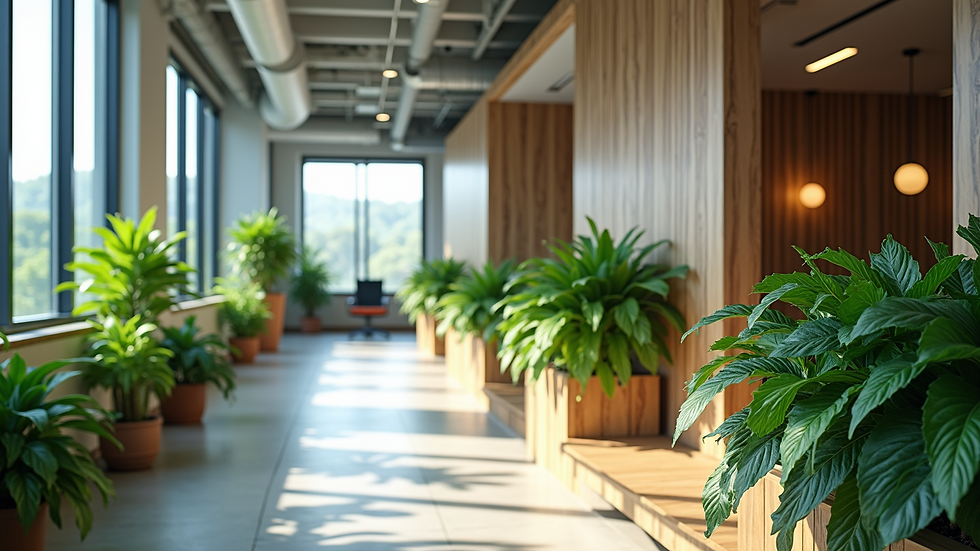
Maximizing natural light reduces energy consumption and enhances occupant comfort. Large windows, glass partitions, and open layouts facilitate light penetration. Proper ventilation ensures air quality, which is vital for health and productivity.
Select Durable and Sustainable Materials
Materials should withstand heavy use while contributing to sustainability goals. Options such as bamboo flooring, recycled metal fixtures, and low-VOC paints are recommended. These choices align with modern environmental standards and reduce maintenance costs.
Incorporate Flexible Layouts
Flexibility allows spaces to adapt to changing business needs. Modular furniture and movable partitions enable quick reconfiguration for meetings, events, or team expansions.
Integrate Technology Seamlessly
Modern commercial interiors require integrated technology for communication, security, and automation. Concealed wiring, smart lighting, and advanced HVAC controls improve efficiency without compromising aesthetics.
Focus on Acoustics
Noise control is essential in open-plan offices and commercial areas. Acoustic panels, carpets, and sound-absorbing ceilings help maintain a quiet environment conducive to concentration.
Use Color Strategically
Colors influence mood and perception. Neutral tones with accent colors can create a professional yet inviting atmosphere. Branding colors can be subtly incorporated to reinforce identity.
Plan for Storage Solutions
Adequate storage reduces clutter and maintains a clean workspace. Built-in cabinets, under-desk storage, and vertical shelving optimize space usage.
These tips provide a comprehensive approach to interior enhancement that addresses both form and function.
Sustainable Interior Design Practices in Pune
Sustainability is a growing priority in commercial interior design. Pune’s climate and urban context make it suitable for implementing green design strategies that reduce environmental impact and operational costs.
Energy Efficiency
Use LED lighting and motion sensors to minimize electricity use.
Install energy-efficient HVAC systems with programmable thermostats.
Employ solar panels where feasible to supplement power needs.
Water Conservation
Fit low-flow faucets and dual-flush toilets in washrooms.
Implement rainwater harvesting systems for landscaping and non-potable uses.
Material Selection
Choose locally sourced materials to reduce transportation emissions.
Opt for recycled and recyclable products.
Avoid materials with harmful chemicals to improve indoor air quality.
Waste Management
Designate areas for waste segregation and recycling.
Use construction methods that minimize debris and allow for material reuse.
Adopting these sustainable practices not only benefits the environment but also enhances the reputation of businesses as responsible entities.
The Role of Professional Interior Designers in Achieving Excellence
Engaging professional interior designers is critical to realizing the full potential of commercial spaces. Their expertise ensures that design solutions are tailored to specific business requirements and comply with local regulations.
Benefits of Professional Design Services
Customized Solutions: Designers assess client needs and create bespoke plans.
Project Management: Coordination of contractors, suppliers, and timelines.
Access to Resources: Knowledge of the latest materials, technologies, and trends.
Cost Efficiency: Avoidance of costly mistakes and optimization of budget.
Compliance and Safety: Adherence to building codes and safety standards.
Professional designers also facilitate the integration of branding and sustainability goals, ensuring that interiors contribute positively to the overall business strategy.
Enhancing Commercial Interiors with The Concept Hub
The Concept Hub has established itself as a leading provider of commercial interior design services across India. Their approach emphasizes modernity, functionality, and sustainability, aligning with the needs of Pune’s commercial sector.
Why Choose The Concept Hub?
Comprehensive Design Solutions: From conceptualization to execution.
Client-Centric Approach: Designs that reflect client vision and operational needs.
Sustainable Practices: Commitment to eco-friendly materials and energy-efficient systems.
Experienced Team: Skilled professionals with extensive industry knowledge.
Value Addition: Interiors that enhance property value and business performance.
Businesses seeking to elevate their commercial spaces in Pune can benefit from The Concept Hub’s expertise and proven track record.
For more information, visit The Concept Hub.
Implementing Interior Enhancement Tips for Long-Term Success
Achieving interior excellence requires ongoing attention and adaptation. The following recommendations support sustained success:
Regular Maintenance: Schedule inspections and upkeep to preserve design integrity.
Employee Feedback: Gather input to identify areas for improvement.
Technology Updates: Upgrade systems to maintain efficiency and security.
Adapt to Growth: Plan for future expansions or changes in business operations.
Monitor Sustainability Goals: Track energy and water usage to ensure targets are met.
By adopting a proactive approach, commercial property owners can maintain interiors that continue to meet evolving demands.
This comprehensive overview of effective strategies for interior enhancement in Pune provides actionable insights for businesses and property owners. The focus on modern, functional, and sustainable design ensures that commercial spaces not only look impressive but also support operational excellence and long-term value.


Comments